Western Cowboy Rose Skull Wrap Review
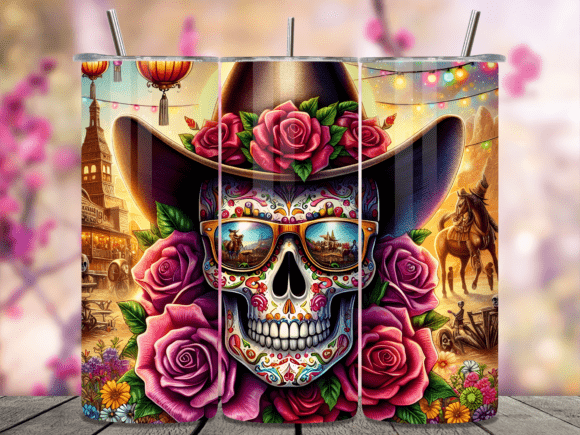
As a designer who has spent countless hours staring at digitizing software and watching needles punch through fabric, I have learned to look past the flashy preview images. When I first pulled up the Western Cowboy Rose Skull Tumbler Wrap, my initial reaction was not just about aesthetics; it was about feasibility. This isn’t just a graphic; it is a potential machine embroidery design that needs to hold up under the tension of the hoop and the scrutiny of a paying customer. The juxtaposition of the rugged skull motif with the delicate rose elements creates a mood that is both edgy and romantic, a combination that currently performs exceptionally well in the boutique market.
First Impressions and Visual Personality
The layout of this design immediately suggests a narrative. It feels like something you would see on a high-end leather jacket or a custom western wear piece. For those of us creating handmade products, visual storytelling is half the battle. The skull provides a strong focal point, while the roses soften the edges, making the design approachable for a wider audience. However, from a technical standpoint, I was looking closely at the transition points. How does the digitizer handle the curve of the jawline against the petals? In many poorly digitized files, these areas become a mess of trapped threads. Here, the flow seems intentional, suggesting a thoughtful approach to stitch density and direction.
This particular aesthetic fits perfectly into the current trend of "modern rustic." It is not just for cowboys; it appeals to anyone who appreciates bold, symbolic art. Whether you are an Etsy seller looking to expand your design assets or a hobbyist making gifts, the versatility of this theme is its strongest asset. It bridges the gap between masculine and feminine design cues, which is a powerful tool for increasing buyer engagement.
Real-World Application: Beyond the Tumbler
While the product title specifies a tumbler wrap, my mind immediately went to textile applications. Let’s talk about a real scenario. Imagine you are preparing a custom order for a client who wants a unique sweatshirt embroidery piece for a music festival. A standard floral design might feel too soft, but adding this skull element gives it edge. I can visualize this stitched onto the back of a heavy cotton hoodie, using a matte black thread for the skull and vibrant crimson for the roses. The contrast would be striking.
Alternatively, consider a tote bag design. Canvas is a forgiving fabric, but it requires sturdy stitching. If this design were adapted or used as inspiration for a larger patch, it could become a signature item for a small shop product line. I have also seen similar motifs work beautifully on embroidered patches, which can then be ironed or sewn onto denim jackets, caps, or backpacks. This modularity increases the value of the design, allowing you to offer multiple products from a single creative concept.
For those focusing on personalized gift items, think about aprons for a barbecue enthusiast or kitchen towels for a modern farmhouse decor lover. The key is context. On a kitchen towel, the design might need to be simplified to reduce bulk, whereas on a cap, the curvature requires careful placement to avoid distortion.
Technical Considerations for Stitching Success
Before you load this into your machine, we need to discuss the mechanics. Any complex design involving both organic shapes (roses) and geometric or hard-edged shapes (skull) requires attention to stabilizer choice. If you are stitching this on a stretchy fabric like a jersey t-shirt, a cut-away stabilizer is non-negotiable to prevent puckering. For woven fabrics like canvas or denim, a tear-away might suffice, but only if the stitch density is not excessive.
I always advise testing on scrap fabric first. This is crucial for checking thread color contrast. A dark skull on a dark navy shirt will vanish unless you use a metallic or lighter contrasting thread. Similarly, check the small details. Are the thorns on the roses defined by satin stitch or running stitch? Satin stitches look premium but can snag easily if they are too long. Running stitches are durable but less visually impactful. Understanding these trade-offs helps you set customer expectations.
Be cautious with hoop size limitations. If you are working with a 4x4 inch hoop, you may need to split the design or choose a smaller version. Always confirm the dimensions provided in the digital embroidery file package. Do not assume compatibility. Also, inspect the file for jump stitches. Excessive jumps mean more trimming for you and a less professional finish for the client.
Navigating Fabric and Surface Challenges
Not every surface is created equal. While this design is marketed as a tumbler wrap, translating it to fabric requires nuance. On textured fabrics like terry cloth or fleece, fine details can get lost. In these cases, consider using an applique design technique where the skull is cut from felt or leather and then stitched down, with the roses embroidered over it. This reduces stitch count and adds tactile depth.
Curved surfaces like caps present another challenge. The center of the skull must align perfectly with the cap's seam to avoid twisting. If you are new to cap embroidery, practice on dummy caps before committing to customer orders. For baby embroidery, I would advise against this specific design due to the skull motif, unless specifically requested for a niche theme, and even then, ensure all threads are secure and no small parts can detach.
Commercial Value and Brand Consistency
For commercial embroidery professionals, consistency is key. Using a design like the Western Cowboy Rose Skull Tumbler Wrap can help define your brand’s aesthetic. If your shop specializes in bold, western-inspired goods, this design reinforces that identity. It builds trust because customers know what to expect from your portfolio.
When creating printable mockup previews for your online store, ensure the digital representation matches the stitched reality. Over-saturated photos can lead to disappointed customers. Show the texture of the thread. Highlight the sheen of the satin stitches. This transparency boosts confidence and reduces return rates.
Finally, always verify licensing. Just because you bought the file does not always mean you can sell unlimited finished products. Check the terms for craft business use. Some designers allow small batch sales, while others require an extended license for mass production. Respecting intellectual property protects your business and supports the creative community.
In conclusion, this design offers a compelling blend of style and substance. It challenges the embroiderer to balance detail with durability, but the payoff is a standout finished product that resonates with modern tastes. Whether you are decorating a holiday embroidery project or building a year-round catalog, keep this design in your toolkit. Just remember to test, stabilize, and stitch with intention.