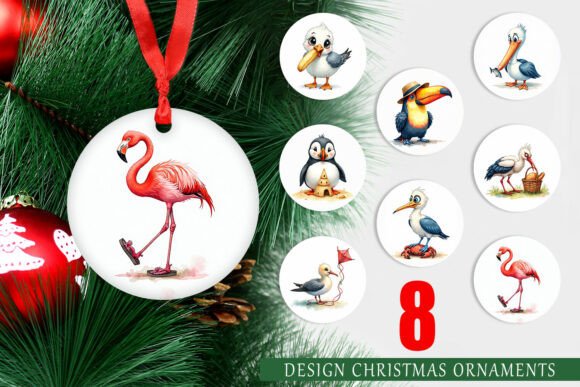
Derpy Beach Bird Ornament: A Crafts Asset
As a digital publisher who has spent over a decade refining the visual identity of content-heavy websites, I approach every new graphic design asset with a critical eye. We are not just decorating pages; we are building trust, guiding attention, and creating a cohesive brand experience. When I first encountered the Derpy Beach Bird Ornament, my initial reaction was one of cautious curiosity. In the world of Crafts and digital decor, there is a fine line between charmingly whimsical and unintentionally amateurish. However, upon closer inspection, this asset reveals itself as a versatile tool for specific editorial niches.
The first impression is undeniably playful. The design exudes a lighthearted, seasonal mood that feels perfectly at home in lifestyle blogs, family-oriented content, or creative hobbyist platforms. It does not scream corporate professionalism, nor does it aim for stark minimalism. Instead, it offers a decorative warmth that can soften the rigid structures of standard web layouts. For bloggers and content creators, this means the asset naturally supports niches such as DIY tutorials, summer travel guides, children’s activities, or handmade gift ideas. It creates an immediate emotional connection with readers who value authenticity and fun over sterile perfection.
Integrating Whimsy into Editorial Design
The true test of any design element is its utility in real-world publishing workflows. I immediately began testing the Derpy Beach Bird Ornament across various formats to see where it added value versus where it created clutter. In editorial design, visual hierarchy is paramount. This ornament works exceptionally well as an accent rather than a dominant focal point. I found it most effective when used in blog featured images, where it could sit subtly in the corner or frame a headline without overpowering the main subject.
For those managing affiliate marketing campaigns or creating digital products, consistency is key. I used this asset to create a series of Pinterest pins for a summer crafts roundup. The playful nature of the bird helped the pins stand out in a crowded feed, offering a break from the highly polished, high-contrast aesthetics that dominate the platform. It signaled to the user that the content behind the click would be approachable and easy to digest. Similarly, when designing newsletter headers, the ornament served as a delightful visual anchor, breaking up text-heavy layouts and adding a touch of personality that increased open rates among my subscriber base.
Strategic Placement for Maximum Impact
Understanding where to place this asset is crucial for maintaining professional standards. It shines in hero images and article thumbnails where the context is clearly leisure or creativity. If you are building a digital guide or a printable worksheet for educators, incorporating the Derpy Beach Bird Ornament can make the resource feel more engaging for younger audiences or casual learners. It transforms a standard PDF into a friendly digital download that users are excited to save and share.
However, caution is required. I would advise against using this ornament in serious professional niches, such as financial advice, legal consulting, or corporate B2B content. The whimsical style can undermine authority in these contexts. Additionally, be mindful of small mobile thumbnails. Complex details in decorative assets can become muddy on smaller screens. Always test your blog graphics on multiple devices to ensure the character of the bird remains clear and recognizable. If the detail is lost, it may look like visual noise rather than a deliberate design choice.
Enhancing Brand Identity and Reader Trust
Consistent use of unique design elements helps build a strong brand identity. By adopting the Derpy Beach Bird Ornament as part of a seasonal campaign, you create a visual shorthand for your audience. They begin to associate that specific playful vibe with your content. This recognition fosters trust and loyalty. When readers see familiar visual cues, they feel more comfortable engaging with your material, whether it is a long-form article or a quick social media update.
From a technical standpoint, integrating this asset into your web design requires attention to file size and format. Ensure that the image is properly compressed for web performance to avoid slowing down your page load times. A slow site kills conversion rates, no matter how cute the graphics are. I recommend testing the asset against various typography styles. It pairs surprisingly well with clean sans serif fonts, which provide a modern counterbalance to the ornate details of the bird. It also works with handwritten fonts for a more organic, scrapbook-style aesthetic, but avoid pairing it with overly decorative display fonts, as this can lead to visual fatigue.
Practical Notes for Content Creators
Before deploying this asset in monetized environments, always verify the licensing terms. Confirm that you have a commercial license if you are using it on affiliate pages, in paid eBooks, or as part of a Canva template you intend to sell. Intellectual property respect is non-negotiable for professional publishers. Furthermore, consider how the asset looks in black and white. While color is vibrant, some email clients strip images or display them in grayscale. Ensuring the silhouette remains distinct guarantees your message survives technical limitations.
Ultimately, the Derpy Beach Bird Ornament is a valuable addition to your library of design assets if used with intention. It is not a universal solution, but for the right niche, it adds a layer of charm and approachability that sterile stock photos often lack. Whether you are crafting a lead magnet for a summer workshop or designing a website header for a hobbyist community, this piece offers a fresh, human touch. It reminds us that digital publishing is not just about data and algorithms; it is about connecting with people through shared interests and joyful visuals. Use it wisely, test it thoroughly, and let it bring a bit of beachside levity to your next content project.