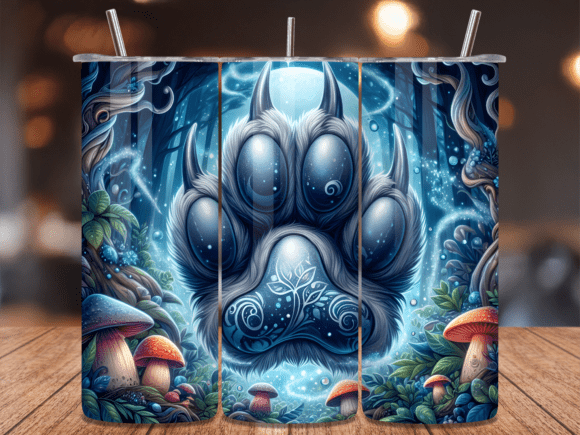
Fantasy Forest Wolf Paw Tumbler Wrap Review
As a graphic designer who has spent the last decade refining brand identities and preparing files for print-on-demand production, I approach every new graphic design asset with a critical eye. It is not enough for an illustration to look pretty; it must perform under pressure. Recently, I evaluated the Fantasy Forest Wolf Paw Tumbler Wrap for a client project involving a boutique outdoor lifestyle brand. The goal was to create a cohesive visual language that bridged rugged wilderness aesthetics with modern consumer appeal. Here is my professional assessment of how this asset holds up in real-world commercial design scenarios.
First Impressions and Visual Mood
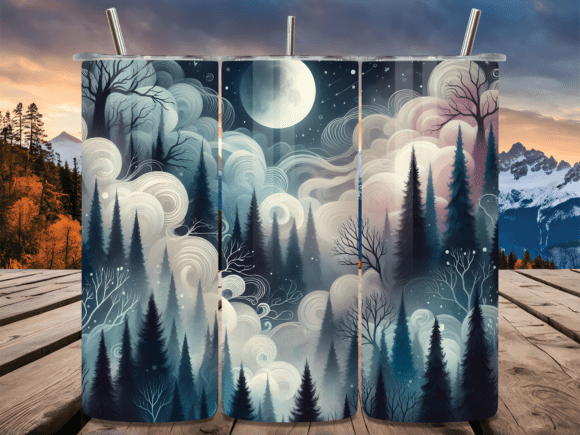
The immediate impact of the Fantasy Forest Wolf Paw Tumbler Wrap is its atmospheric depth. Unlike flat, vector-based clipart that often feels sterile, this design carries a textured, organic quality. The interplay of shadow and light within the forest elements creates a sense of mystery and adventure. For a designer, this mood is invaluable. It speaks directly to audiences who value nature, solitude, and wild beauty. When I placed this asset into a mockup for a 20oz skinny tumbler, the wrap felt immersive rather than decorative. It did not just sit on the surface; it seemed to envelop the product.
This type of digital product fits naturally into projects targeting hikers, campers, fantasy enthusiasts, or anyone drawn to mystical woodland themes. It avoids the cliché of aggressive wildlife imagery, opting instead for a more poetic interpretation of the wolf motif. This subtlety makes it versatile for both masculine and feminine branding strategies, a rare balance in niche sublimation design.
Performance Across Design Mediums
While the primary application is obviously for Tumbler Wraps, limiting this asset to drinkware would be a missed opportunity. In my review, I tested its adaptability across various formats. For packaging design, the detailed background elements work beautifully on box sleeves or hang tags, provided the resolution is sufficient. The intricate details of the paw and foliage can serve as a hero graphic for marketing visuals, drawing the eye immediately in social media feeds.
For Cricut users and crafters, the utility depends heavily on the file format. If the package includes an SVG design with clean paths, it becomes a powerful tool for creating layered vinyl decals or heat transfer designs for apparel. However, if it is purely a raster image, its use in t-shirt design requires careful handling to ensure the background does not interfere with the fabric color. I found that isolating the central wolf paw element allowed for striking sticker design applications, perfect for laptop decals or water bottle accents.
In the realm of web design and social media graphics, this illustration serves as an excellent backdrop for text overlays. When used in Canva templates, it adds instant production value to Pinterest pins or Instagram stories. The dark, moody tones provide high contrast for white or gold typography, enhancing readability without overwhelming the message. This makes it a strong candidate for editorial design features in digital magazines or blog headers focused on outdoor living.
Strategic Placement and Visual Hierarchy
Understanding where to place this asset is crucial for maintaining visual hierarchy. The Fantasy Forest Wolf Paw Tumbler Wrap is dense with detail. Therefore, it works best in large layout areas where the viewer has time to absorb the intricacies. It shines in product mockups and full-bleed prints. However, designers must be cautious when using it in crowded layouts. Placing this complex illustration next to busy patterns or small text can create visual noise, reducing the overall professionalism of the piece.
For small business branding, this asset should be used as a supporting element rather than the sole identifier. It complements a strong logo design but should not replace it. In minimalist branding projects, this wrap might feel too heavy. It is best suited for brands that embrace maximalism or rustic charm. When used in print-on-demand collections, it acts as a thematic anchor, tying together a series of products under a unified "Fantasy Forest" campaign.
Technical Considerations for Professional Use
Before integrating any design bundle into a client project, technical due diligence is mandatory. My first step was to inspect the PNG design files for transparency quality. A clean alpha channel is essential for seamless integration into diverse backgrounds. I checked for halo effects around the edges, which can ruin the illusion of depth. Fortunately, this asset demonstrated clean edges, indicating professional preparation.
Contrast testing is another critical phase. I viewed the design in black and white to ensure the tonal range was balanced. The shadows in the forest background were deep enough to provide structure, while the highlights on the wolf paw ensured the focal point remained clear. This balance is vital for commercial design where legibility can impact sales. I also tested the asset on both light and dark mockups. On dark tumblers, the design blended too much, losing definition. On light or metallic surfaces, it popped effectively. This suggests that material choice is as important as the design itself.
For those utilizing this in Etsy product listings, ensuring the file format matches the customer’s needs is key. Crafters often require SVGs for cutting machines, while sublimation printers need high-resolution PNGs. Providing both enhances the perceived value of the creative marketplace offering. Always verify the commercial license terms. Using an asset without proper rights can lead to legal issues for both the designer and the client. Confirming that the license covers physical product sales and digital redistribution is non-negotiable.
Final Verdict on Brand Consistency
The Fantasy Forest Wolf Paw Tumbler Wrap is a robust addition to any designer’s toolkit, particularly for those serving the outdoor, fantasy, or handmade niches. It elevates brand identity by adding emotional depth and narrative quality to simple products. While it requires careful handling regarding scale and contrast, its versatility across marketing visuals, packaging, and digital content makes it a worthwhile investment. By treating it as a core component of a broader design strategy rather than a standalone graphic, designers can create compelling, cohesive campaigns that resonate with their target audience. This asset proves that with the right technical execution, a single illustration can drive engagement and enhance the perceived value of a handmade business or established brand.