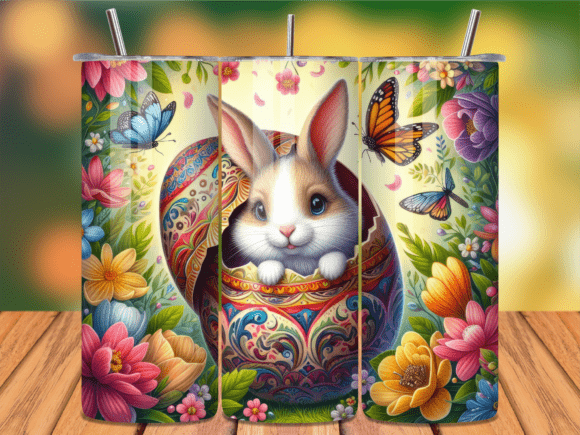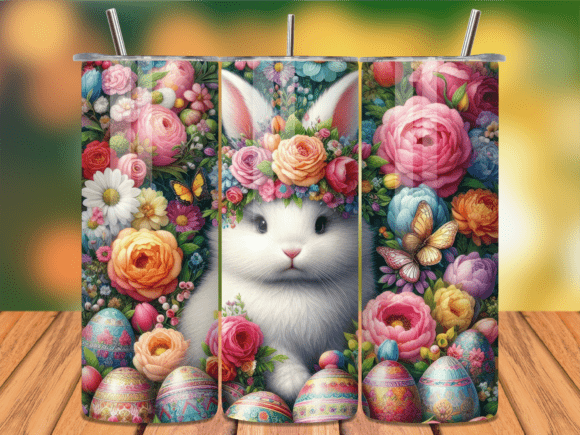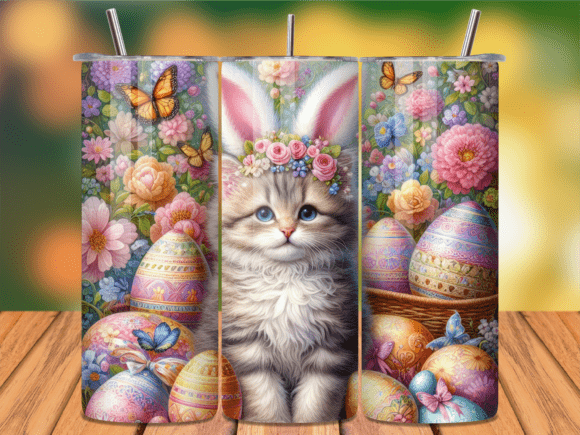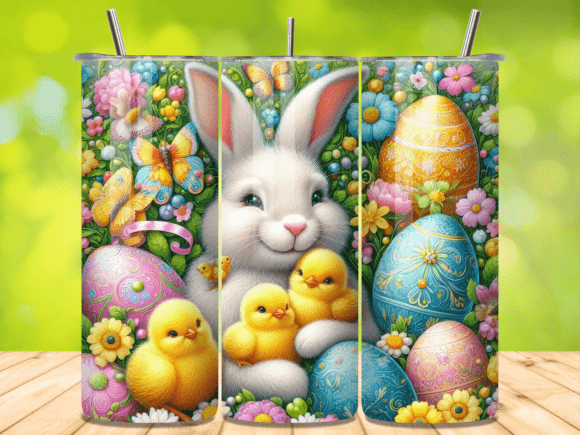
Review: Easter Bunny Chicks Tumbler Wrap Design
As a designer who has spent countless hours digitizing and testing machine embroidery designs, I approach every new file with a critical eye. It is not just about whether the image looks cute on a screen; it is about how those pixels translate into thread, tension, and texture on actual fabric. Recently, I evaluated the Easter Bunny Chicks Easter Tumbler Wrap, a digital asset that initially caught my attention for its seasonal charm. While the product category lists it under Tumbler Wraps, my focus was on determining its viability as a versatile machine embroidery design for broader craft applications.
First Impressions and Visual Personality
The first thing you notice about this design is its playful, soft aesthetic. The layout features a harmonious blend of Easter motifs, likely incorporating rounded shapes of bunnies and chicks that evoke a sense of warmth and nostalgia. For an embroidery project, this visual personality is crucial. It does not scream for attention with aggressive lines or overly complex shading; instead, it offers a gentle, inviting mood that fits perfectly within the spring holiday niche.
From a technical standpoint, the shape and detail level suggest a design that balances fill areas with open space. This is vital for maintaining stitching clarity. If a design is too dense, it becomes stiff and prone to puckering. If it is too sparse, it lacks impact. The Easter Bunny Chicks Easter Tumbler Wrap appears to strike a middle ground, making it a strong candidate for various handmade products beyond just drinkware sleeves.
Real-World Application Beyond Tumblers
While the title specifies a tumbler wrap, limiting this digital embroidery file to sublimation or vinyl wraps would be a missed opportunity for embroiderers. I envision this design performing exceptionally well on custom apparel. Imagine a pastel-colored children’s sweatshirt featuring this motif on the chest. The soft curves of the bunnies and chicks would complement the cozy texture of fleece or cotton blends, creating a high-value personalized gift for grandparents or parents.
Another practical application is in home decor. A tote bag design using this motif could elevate a simple canvas bag into a boutique-quality item. For Etsy sellers and small shop owners, this versatility is key. You are not just selling one product; you are selling a design asset that can be adapted for pillow covers, kitchen towels, or even framed nursery art. The theme is specific enough to be recognizable as Easter-themed but general enough to appeal to a broad audience looking for holiday embroidery that feels timeless rather than trendy.
Performance on Different Fabrics
When considering fabric texture, this design likely relies on a mix of satin stitch for outlines and fill stitch for the bodies of the characters. On smooth fabrics like broadcloth or high-quality cotton, the stitches will lay flat and shine. However, caution is needed when moving to textured materials like terry cloth or heavy denim. The fine details of the chicks’ features might get lost in the pile of a towel unless the design is scaled up appropriately.
For baby embroidery, softness is paramount. If the design includes dense stitching, it is essential to use a proper stabilizer to prevent the fabric from bunching. A cut-away stabilizer might be necessary for stretchy knits used in baby onesies, ensuring the finished product remains comfortable against sensitive skin. Always test the design on scrap fabric first to gauge how the thread colors interact with the material. Dark fabrics may require an underlay or a lighter base thread to ensure the pastel tones of the bunnies and chicks pop correctly.
Technical Considerations for Stitching Success
Before loading the embroidery file into your machine, there are several practical steps to take. First, check the recommended hoop size. Even if the design is small, ensure your hoop can accommodate the necessary stabilizer margins. Curved surfaces, such as caps or sleeves, require careful hooping to avoid distortion. If you plan to use this on a cap, consider whether the design’s width fits the front panel without wrapping around the sides, which can cause stitching errors.
Stitch density is another critical factor. High-density areas can lead to needle breaks or thread shredding, especially if you are using lower-quality threads. Review the design in your software’s simulation mode. Look for any potential jump stitches that are too long, which might need manual trimming or adjustment. If the design includes tiny lettering or intricate corners, verify that your machine can handle the precision required. Sometimes, simplifying a design by removing minor details can improve the overall look of the embroidered patch or garment.
Commercial Viability and Brand Consistency
For craft business owners, the value of a design lies in its ability to enhance brand consistency. The Easter Bunny Chicks Easter Tumbler Wrap offers a cohesive look that can be integrated into a seasonal collection. Whether you are creating printable mockup images for your online store or producing physical items for a craft fair, the design’s clean lines and cheerful theme support a professional presentation.
Customer trust is built on quality. A well-stitched design signals professionalism. If the threads are neat, the tension is balanced, and the colors are vibrant, buyers are more likely to return for future purchases. This design supports that goal by offering a clear, appealing image that translates well into thread. However, always confirm licensing terms before selling commercial embroidery items. Ensure that the design assets you purchase allow for finished goods sales, as this varies between creators.
Final Verdict for Makers and Designers
The Easter Bunny Chicks Easter Tumbler Wrap is more than just a sublimation graphic; it is a viable candidate for embroidery projects when approached with technical care. Its strength lies in its adaptable theme and balanced composition. For hobbyists and creative entrepreneurs, it offers a chance to create meaningful holiday gifts and sellable merchandise.
Remember to test on various fabrics, adjust your stabilizer choice based on the material, and verify the file specifications for your specific machine. By treating this design as a flexible element in your creative toolkit, you can expand your product line beyond tumblers to include sweatshirt embroidery, tote bags, and home decor items. The key is to respect the limitations of the medium while leveraging the design’s inherent charm to create products that resonate with customers.