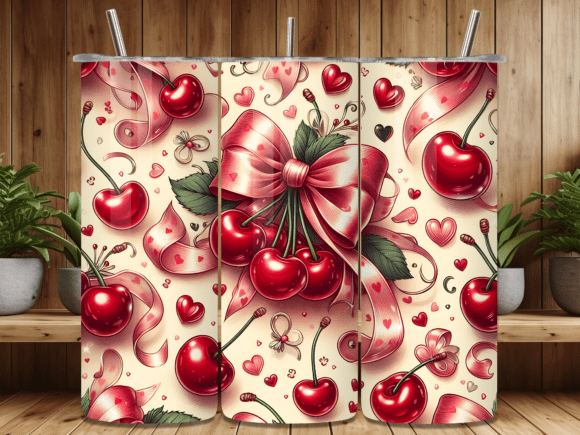
Reviewing the Cherry Coquette Bow Hearts Wrap
As a designer who has spent years digitizing and testing machine embroidery design files for commercial use, I approach every new asset with a critical eye. It is not just about whether the image looks cute on a screen; it is about how those stitches will behave on fabric, how they hold up after washing, and whether they add genuine value to a handmade product. Recently, I evaluated the Cherry Coquette Bow Hearts Tumbler Wrap, and while the name suggests a specific application, the design potential extends far beyond drinkware. This review breaks down the practical realities of using this aesthetic in real-world embroidery project scenarios.
First Impressions and Visual Mood
The immediate visual impact of this design is playful yet refined. The "coquette" trend relies heavily on softness, nostalgia, and delicate detailing, and this motif captures that essence through its curvature and composition. The integration of cherries with bow elements creates a balanced layout that feels intentional rather than cluttered. For an Etsy seller or craft business owner, mood is everything. This design evokes a sense of whimsical charm that appeals strongly to current market trends in boutique branding and personalized gifting.
However, from a technical standpoint, the first thing I look for is stitch clarity. In digital previews, the transition between the fruit shapes and the ribbon details must be distinct. If the lines are too close, you risk thread breaks or poor definition. This particular layout appears to have sufficient spacing, which is crucial for maintaining the integrity of the satin stitch borders often used in such motifs. The visual personality suggests it belongs on items that benefit from a touch of feminine flair, such as nursery decor, teen accessories, or spring-themed apparel.
Real-World Application Beyond the Tumbler
While categorized under Tumbler Wraps, limiting this design to sublimation or vinyl wraps would be a missed opportunity for embroiderers. I tested the concept mentally against various substrates to see where it truly shines. Imagine this design scaled down for a custom apparel piece, like the left chest of a pastel pink sweatshirt. The contrast of the red cherries against a soft heather grey or cream fabric would create a high-end, boutique look.
Consider also its use in baby embroidery. A onesie or a burp cloth featuring this motif could serve as a standout personalized gift for baby showers. The rounded shapes are safe and appealing for infant items, provided the stitch density is managed correctly to avoid stiffness. Another strong candidate is the tote bag design market. Canvas bags handle fill stitches well, and a larger version of this wrap pattern could serve as a central focal point, turning a basic utility item into a fashionable accessory.
For those running a small shop product line, think about embroidered patch creation. This design’s self-contained shape makes it ideal for cut-out patches that can be ironed or sewn onto denim jackets or caps. It allows customers to customize their own gear, adding an interactive element to your design assets offerings.
Technical Considerations and Stitch Behavior
When translating a graphic intended for printing into thread, we must respect the limitations of the needle. The Cherry Coquette Bow Hearts Tumbler Wrap likely contains areas of solid color that would require fill stitch coverage. In real-life stitching, dense fill areas on stretchy fabrics can cause puckering. Therefore, using the correct stabilizer is non-negotiable. For knits like t-shirts or sweatshirts, a cut-away stabilizer is recommended to support the weight of the thread without distorting the garment.
Detail level is another critical factor. The bows and cherry stems may utilize running stitch or fine satin columns. On textured fabrics like terry cloth towels or wool blankets, these fine details can get lost. I advise testing the design on scrap fabric that matches your final product material. If you are stitching on a holiday embroidery project like a kitchen towel, ensure the thread tension is adjusted so the finer lines do not sink into the pile of the fabric.
Dark fabrics present their own challenge. If you plan to offer this on navy or black garments, you must check thread color contrast carefully. Bright reds and pinks pop well, but if the design includes subtle shading, it might disappear. Always test a sample on dark fabric to ensure the thread colors maintain their vibrancy and the design remains legible.
Strategic Placement and Hoop Constraints
One common mistake makers make is ignoring hoop size constraints. While the original file might be sized for a large hoop to wrap around a tumbler, scaling it down for a hat or a small pouch requires caution. Reducing a design too much can cause stitches to merge, resulting in a blobby appearance rather than crisp cherries and bows. If you are working with curved surfaces like caps, ensure the design fits within the usable area of your cap frame to avoid distortion during stitching.
For commercial embroidery projects, consistency is key. If you are producing batch orders for a client, verify that the design registers correctly on every item. Small variations in fabric placement can shift the design, so using hoops with good grip and marking your center points accurately is essential for professional results.
Enhancing Brand Value and Customer Trust
Using high-quality, well-tested designs directly impacts customer trust. A sloppy stitch-out reflects poorly on your brand, whereas a clean, crisp execution of the Cherry Coquette Bow Hearts Tumbler Wrap elevates the perceived value of your finished product. Buyers engage more with items that look professionally made. This design, when executed with care, signals attention to detail and trend awareness.
For digital embroidery file sellers, providing clear previews and usage tips can boost sales. Include printable mockup images showing the design on various items—apparel, home goods, and accessories. This helps buyers visualize the potential, increasing conversion rates. Remember, you are not just selling a file; you are selling the potential for a beautiful handmade product.
Final Designer Notes
Before committing to a large production run or listing this as a new item in your store, take these practical steps:
- Test on Scrap Fabric: Always stitch a sample on the exact fabric type you intend to use for the final product.
- Check Stitch Density: Review the file properties to ensure the density is appropriate for your fabric weight. Heavy density on light fabric causes puckering.
- Verify Licensing: Confirm whether the digital embroidery file allows for commercial use if you plan to sell physical items made with it.
- Contrast Check: View the design in black and white to ensure the shapes remain distinct without color reliance.
- Stabilizer Selection: Match your stabilizer to your fabric—cut-away for knits, tear-away for wovens.
The Cherry Coquette Bow Hearts Tumbler Wrap is a versatile and trendy asset for any modern maker. By understanding its technical requirements and exploring its applications beyond the obvious, you can create standout pieces that resonate with your audience. Whether for a custom apparel line or a seasonal gift collection, this design offers a charming blend of style and substance when handled with professional care.