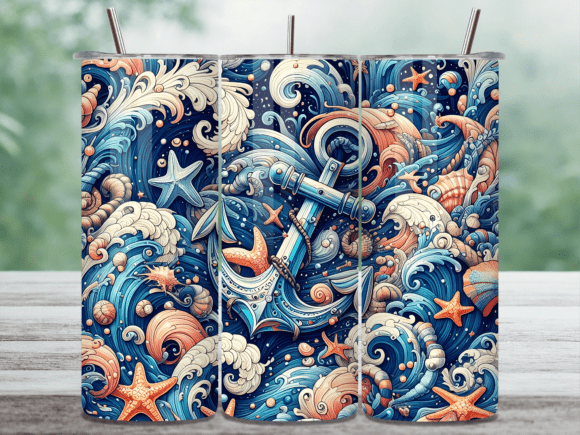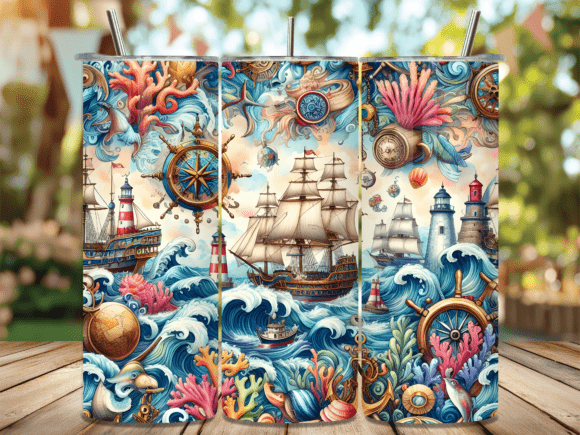
Nautical Ocean Sailing Ship Tumbler Wrap Review
When I first pulled up the Nautical Ocean Sailing Ship Tumbler Wrap on my screen, I wasn’t just looking at a digital file. I was imagining how it would translate from pixels to thread. As an embroidery designer who has spent countless hours tweaking tension and swapping needles, I know that a design’s true value isn’t in its preview image—it’s in how it behaves under the needle. This particular piece caught my eye because of its thematic consistency and potential for high-impact customization, even though the name suggests a sublimation or print application, we are evaluating its viability as a machine embroidery design for various textile projects.
First Impressions and Visual Mood
The immediate mood this design evokes is one of calm adventure. The sailing ship motif, paired with oceanic elements, creates a classic nautical aesthetic that never really goes out of style. For a designer, the layout is crucial. Does it have too many tiny details that will bunch up? Is the balance between positive and negative space correct? In this case, the silhouette of the ship appears strong enough to hold its own without excessive fill stitch density, which is a good sign for production speed and fabric integrity.
The visual personality here is versatile. It feels at home on a rugged canvas tote just as much as it does on a soft baby onesie. That versatility is rare. Many nautical designs lean too hard into cartoonish territory or become overly complex with realistic shading that requires hundreds of thread color changes. This design seems to strike a middle ground, offering enough detail to be interesting but keeping the structure clean enough for reliable stitching.
Real-World Application Scenarios
Let’s move beyond the screen and into the studio. I recently had a client request a set of personalized gifts for a family moving to a coastal town. They wanted items that felt bespoke but durable. This is where a design like the Nautical Ocean Sailing Ship Tumbler Wrap concept translates beautifully into embroidered goods. Instead of a tumbler wrap, I envisioned this design stitched onto heavy-weight cotton aprons and thick terrycloth beach towels.
For custom apparel, imagine this on the left chest of a navy blue sweatshirt. The contrast of white or light blue thread against the dark fabric would make the sailing ship pop. It adds a touch of boutique branding without being loud. For Etsy sellers, this kind of imagery performs well because it taps into specific niches: sailing enthusiasts, ocean lovers, and parents looking for themed nursery decor. If you are selling handmade products, having a design that works across multiple categories—like pillow covers and tote bags—maximizes your return on investment for the digital embroidery file.
Performance on Different Fabrics
One of the critical aspects of any embroidery project is how the design interacts with fabric texture. On stable fabrics like denim or canvas, the satin stitch borders should lay flat and crisp. However, when working with stretchy fabrics like jersey for t-shirts or baby clothes, you need to be cautious. If the design has large areas of fill stitch, it can cause puckering. I recommend using a cut-away stabilizer for these applications to ensure the finished product maintains its shape after washing.
Textured fabrics present another challenge. If you are stitching this onto a waffle-knit towel or a fuzzy fleece blanket, the finer details of the ship’s rigging might get lost. In those cases, simplifying the thread colors or increasing the stitch size slightly can help maintain clarity. Always test the design on scrap fabric first. This simple step saves hours of frustration and prevents wasted materials.
Technical Considerations for Designers
Before you load this into your machine, there are several practical checks to perform. First, review the stitch density. High-density areas can perforate thin fabrics, leading to tears over time. If the design includes small lettering or intricate corners, zoom in to inspect the stitch paths. Are there jump stitches that need trimming? Is the underlay sufficient to anchor the top stitches?
Thread color contrast is another vital element. A nautical theme typically relies on blues, whites, and perhaps touches of red or gold. Ensure your thread palette provides enough distinction between the ship, the waves, and the background. Testing the design in black and white mockups can reveal if the contrast holds up without color reliance. This is especially important for customers who may prefer monochrome or limited-color options for cost reasons.
Hoop size is also a factor. While the title mentions a tumbler wrap, which implies a curved surface, embroidery hoops are flat. If you plan to adapt this for curved surfaces like caps, you will need specialized cap frames and possibly a digitized version optimized for the curvature. Standard flat hoop sizes might require splitting the design or resizing it to fit within the available area without distorting the proportions.
Commercial Viability and Brand Consistency
For small shop owners and craft business operators, consistency is key. Using a cohesive design asset like this helps build brand recognition. If your shop specializes in coastal or maritime themes, this design fits seamlessly into a broader collection. It enhances the perceived value of the handmade product because it looks professional and intentional, not just slapped on.
Customer trust is built on quality. A well-stitched embroidered patch or sweatshirt embroidery tells the buyer that care was taken. When the design is clear and the stitching is neat, it reduces return rates and increases positive reviews. For holiday embroidery projects, such as Christmas gifts for sailors or summer vacation souvenirs, this design offers timeless appeal that doesn’t feel dated after a single season.
Licensing and Usage Rights
It is essential to confirm licensing before selling finished items or digital products. Not all embroidery files come with commercial use rights. Check the terms provided with the digital embroidery file. Some licenses allow unlimited sales of physical goods, while others restrict the number of units or prohibit sharing the file itself. As a responsible creator, respecting these terms protects your business and supports the original digitizer.
If you are creating printable mockups for your online store, ensure the design looks good in digital previews as well. High-resolution images of the stitched result can significantly boost buyer engagement. Show the design on various items—aprons, hats, bags—to help customers visualize the final product.
Final Verdict
The Nautical Ocean Sailing Ship Tumbler Wrap design, when adapted for embroidery, offers a solid foundation for a variety of creative projects. Its strength lies in its balanced composition and thematic versatility. By paying attention to stabilizer choice, thread contrast, and fabric suitability, you can produce high-quality finished products that resonate with customers. Whether you are an experienced apparel decorator or a hobbyist making personalized gifts, this design rewards careful preparation with professional results. Always prioritize testing and understanding the technical requirements to ensure every stitch counts.