Nautical Shells Navy Tumbler Wrap: A Designer’s Review
As a designer who has spent countless hours digitizing patterns and troubleshooting thread breaks, I approach every new machine embroidery design with a mix of curiosity and skepticism. We all know that what looks crisp on a screen does not always translate perfectly to fabric. Recently, I evaluated the Nautical Shells Navy Tumbler Wrap Design, not for its intended sublimation use, but to understand how its aesthetic principles could inform our approach to stitched projects. While this specific asset is categorized under Tumbler Wraps, the visual language it employs offers valuable insights for those of us working in thread.
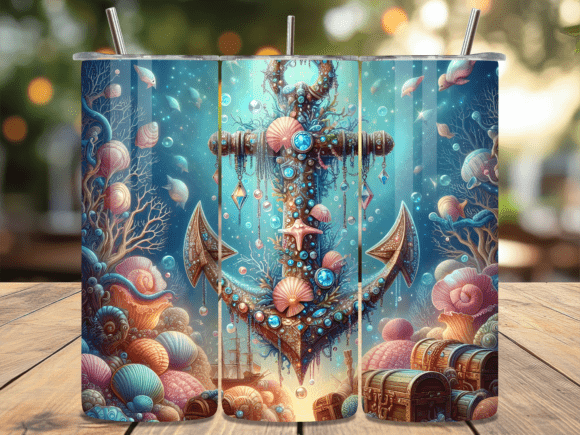
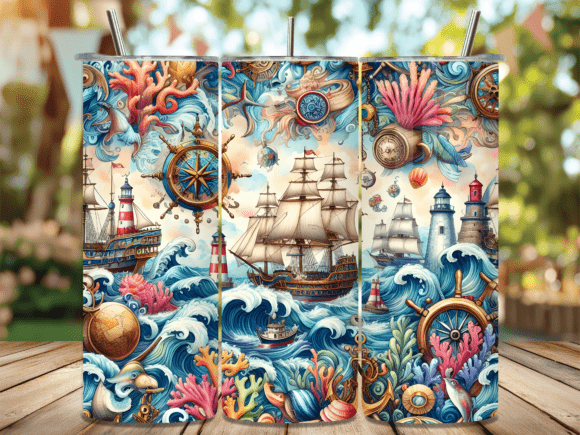
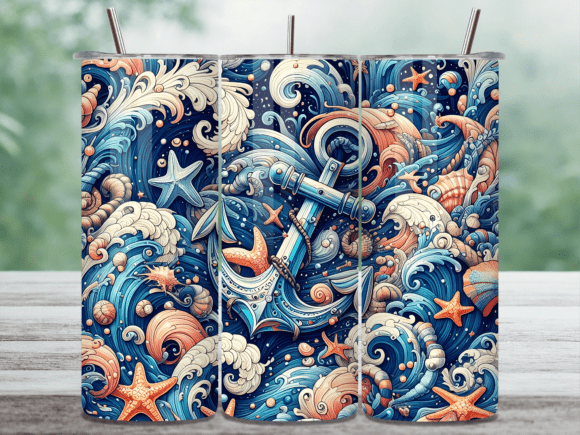
The first impression of this design is one of serene sophistication. The navy backdrop paired with organic shell motifs creates a mood that is both coastal and refined. For an embroidery designer, this color palette is immediately appealing because it suggests high contrast and clarity. When we translate this vibe into a handmade product, we are looking at a design that speaks to customers who appreciate understated elegance rather than loud, chaotic graphics. It feels like something you would find in a boutique hotel or a high-end beach house, which raises the perceived value of any item it adorns.
Translating Visual Themes to Stitched Reality
Let us consider a real-life scenario. Imagine you are preparing a custom order for a client who wants a set of personalized tote bags for a seaside wedding party. The bride has requested a nautical theme but wants to avoid cliché anchors and wheels. Here, the aesthetic of the Nautical Shells Navy Tumbler Wrap Design serves as a perfect reference point. You might select a similar shell motif, ensuring that the stitch density is balanced to prevent puckering on the canvas fabric.
In this context, the design’s layout teaches us about negative space. The original wrap likely uses wide, open areas to allow the navy background to breathe. In embroidery, we must replicate this by using careful running stitch outlines or sparse fill stitch patterns rather than dense satin blocks. This ensures the fabric texture remains visible, adding depth to the embroidery project. If you were to apply this concept to a sweatshirt embroidery piece, the softness of the fleece would complement the organic curves of the shells, creating a cozy yet polished personalized gift.
Performance Across Different Applications
When evaluating how such a theme performs in real-life situations, versatility is key. This nautical aesthetic works exceptionally well for baby embroidery on neutral-colored onesies, where gentle curves and soft blues or navies are preferred over harsh lines. It also translates beautifully to appliance embroidery on kitchen towels, provided the stabilizer is chosen correctly to handle the frequent washing these items endure.
For Etsy sellers and craft business owners, the appeal lies in the trendiness of the coastal grandma aesthetic. A design inspired by this wrap could become a bestseller as an embroidered patch for denim jackets or caps. However, one must be cautious. Curved surfaces like caps require careful digitizing to ensure the shells do not distort. The original digital embroidery file for a tumbler is flat, but when adapting it for a curved hat, you must adjust the pull compensation and potentially reduce the stitch density to prevent the fabric from gathering.
Technical Considerations and Pitfalls
While the visual appeal is strong, there are areas where a designer must exercise caution. If you are attempting to recreate the fine details of small shells using satin stitch, you may run into issues with thread breaks if the columns are too narrow. It is often better to simplify tiny details into solid shapes or use a single-color outline to maintain clarity. Additionally, on dark fabric, ensuring sufficient contrast is vital. The navy in the original design works because it is likely printed, but in embroidery, a dark navy thread on a black shirt will vanish. Always test your thread colors against your base material.
Another critical factor is the hoop size. If you are scaling this design up for a large tote bag design, ensure that your machine can handle the area without excessive jumping or trimming. Conversely, if you are shrinking it for a pocket logo, verify that the small details do not merge into a blob of thread. I always recommend stitching out a test on scrap fabric of the same weight and type as your final product. This step saves time, money, and reputation.
Enhancing Brand Value and Customer Trust
Using a cohesive design language like the one seen in the Nautical Shells Navy Tumbler Wrap Design can significantly boost your brand consistency. When customers see a well-executed, thoughtful design, they trust the quality of the entire finished product. This is crucial for small shop product lines where repeat business depends on perceived professionalism. A clean, well-digitized nautical motif signals that you pay attention to detail, which translates to higher customer engagement and fewer returns.
For those creating printable mockup assets or design assets for other makers, capturing the essence of this style requires high-resolution photography that highlights the texture of the stitches. Show the sheen of the rayon or polyester thread against the matte fabric. This visual proof helps buyers imagine the item in their own lives, whether as a holiday embroidery gift or a staple in their wardrobe.
Practical Notes for the Modern Maker
Before you begin your next commercial embroidery run with a similar theme, keep these practical tips in mind:
- Test on Scrap Fabric: Always stitch a sample on the exact fabric you plan to use. Check for puckering and registration issues.
- Check Thread Contrast: Ensure your thread colors stand out against the background. Use a color wheel to find complementary shades if navy is too subtle.
- Review Stitch Density: High density can make fabric stiff. Adjust your settings to keep the item soft and wearable, especially for custom apparel.
- Confirm Hoop Size: Make sure your design fits within your machine’s maximum hoop area without requiring complex re-hooping.
- Inspect Small Details: Zoom in on your digitizing software. Are there tiny jumps or unnecessary trims that can be optimized?
- Verify Licensing: If you are using a purchased embroidery file, confirm that it allows for commercial use. Never assume; always read the terms.
In conclusion, while the Nautical Shells Navy Tumbler Wrap Design is a digital print asset, its design principles offer a masterclass in balance, color, and theme. By applying these observations to your machine embroidery design workflow, you can create handmade products that are not only beautiful but also technically sound and commercially viable. Whether you are an experienced apparel decorator or a hobbyist making gifts for friends, let the calm confidence of this nautical aesthetic guide your needle.