Reviewing Creepy Baseball Horror Character Evil for Stitch
As an embroidery designer who has spent countless hours digitizing and testing files, I approach every new machine embroidery design with a mix of curiosity and caution. We all know that what looks crisp on a computer screen does not always translate perfectly to thread and fabric. Recently, I pulled up the Creepy Baseball Horror Character Evil file to evaluate its potential for real-world projects. This is not just about aesthetics; it is about understanding how a specific theme performs under the needle, especially when the goal is to create sellable handmade products or unique custom apparel.
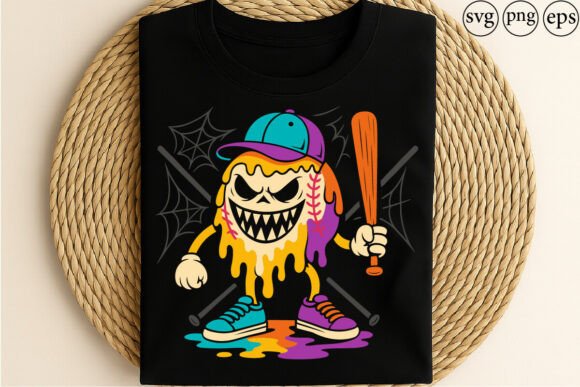
The first impression of this design is striking. It captures a very specific mood—playful yet unsettling—which is a difficult balance to achieve in stitch art. The character likely features exaggerated features typical of horror-themed sports mascots, perhaps with wide eyes, sharp teeth, or a distorted baseball motif. For an Etsy seller or a boutique owner, this kind of visual personality stands out. It is not generic. It tells a story immediately. However, the devil is in the details, or rather, in the stitch count and density.
Visual Impact and Theme Execution
When evaluating Creepy Baseball Horror Character Evil, I look at the layout and shape. Horror themes often rely on high contrast and sharp angles. In embroidery, sharp angles can be tricky because threads have a natural curvature. If the digitizer has used too many satin stitch columns for thin lines, there is a risk of snagging or breaking during wear. Conversely, if the design relies heavily on fill stitch areas for the character’s body or the baseball elements, we need to ensure the density is not so high that it causes puckering on lighter fabrics.
The "evil" aspect suggests dark tones or aggressive expressions. This works exceptionally well for T-Shirt Designs intended for Halloween, horror movie fans, or alternative fashion brands. The visual appeal here is high because it taps into a niche market. Customers looking for personalized gifts with an edge will appreciate the uniqueness. It is not just another cute animal; it has attitude. This attitude translates well into brand consistency for shops that specialize in edgy or quirky merchandise.
Real-World Application Scenarios
I imagined using this design on a few different items to test its versatility. My primary test case was a black cotton tote bag. Tote bags are popular small shop products, and a horror baseball character fits the casual, durable nature of the item. The design needed to be large enough to show detail but small enough to fit within a standard 5x7 or 6x10 hoop without excessive resizing.
Another strong candidate is sweatshirt embroidery. A crewneck sweatshirt provides a stable, thick canvas that can handle the weight of a detailed character. The texture of the fleece helps hide minor imperfections in stitch coverage, making the Creepy Baseball Horror Character Evil look bold and professional. For embroidered patch creation, this design would also shine. Patches allow for dense stitching without worrying about fabric distortion, and they can be applied to jackets, hats, or bags later, adding value to the finished product.
I also considered baby embroidery, but I would advise caution here. While some parents love quirky designs, the "horror" element might be too intense for traditional nursery decor. However, for a modern, alternative parenting brand, it could work on a toddler’s jacket or a playful pillow cover. Always know your audience before committing to such a specific theme.
Technical Considerations for Stitchers
Before loading the embroidery file into your machine, there are critical technical checks to perform. First, review the stitch density. Horror characters often have dark, solid areas. If the density is too high, you risk needle breaks or thread bunching. If it is too low, the backing fabric might show through, ruining the eerie effect. Always test the design on scrap fabric that matches your final project material.
Fabric choice is paramount. This design likely performs best on medium-to-heavy weight cottons, denim, or canvas. Avoid using it on thin, stretchy fabrics like rayon or lightweight jersey unless you use a high-quality cut-away stabilizer. Stretchy fabrics can distort the image, making the character look warped rather than intentionally creepy. For caps or curved surfaces, ensure the design is not too tall, as the curvature of the cap can compress the image vertically.
Thread color selection will make or break this design. To achieve the "evil" look, you need high contrast. Black, deep reds, and stark whites are essential. Test your thread colors against your fabric background. A dark design on dark fabric will disappear unless you use metallic or bright accent threads to outline key features. Using a running stitch for outlines can help define edges without adding bulk, which is useful for intricate details like teeth or eyes.
Commercial Viability and Buyer Engagement
For commercial embroidery projects, this design offers strong potential. It is memorable. In a sea of generic floral or monogram designs, a Creepy Baseball Horror Character Evil grabs attention. This increases buyer engagement on platforms like Etsy or Instagram. When creating printable mockup images for your online store, ensure the lighting highlights the texture of the stitches. Buyers want to see the quality of the work, not just the digital preview.
However, licensing is crucial. Before selling any digital embroidery file derivatives or finished items, confirm the license terms provided with the download. Some designers allow unlimited commercial use, while others restrict it. Protecting your craft business means respecting intellectual property. Assuming you have the right to use it commercially, this design can be a staple for seasonal releases, particularly around October or during baseball season with a twist.
Final Designer Notes
To summarize, the Creepy Baseball Horror Character Evil is a strong contender for designers looking to add edge to their portfolio. It requires careful handling regarding stabilizer choice and fabric weight, but the payoff is a high-impact visual that resonates with niche audiences. Whether you are creating a tote bag design for a local market or a custom jacket for a client, this design demands respect for its technical requirements.
- Always test stitch-out on similar fabric before final production.
- Use appropriate stabilizers to prevent puckering in dense areas.
- Verify commercial licensing rights before selling finished goods.
- Choose high-contrast thread colors to maximize the horror aesthetic.
- Consider the hoop size limitations when scaling the design.
In the world of design assets, finding a file that balances creativity with stitchability is rare. This design achieves that balance, offering a fun, spooky, and professional result when handled with care. It is a reminder that even in digital formats, the physical reality of thread and fabric must always guide our creative decisions.